Fungal
moderate
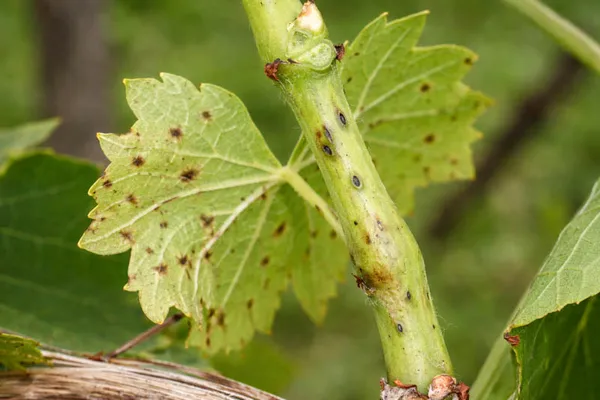
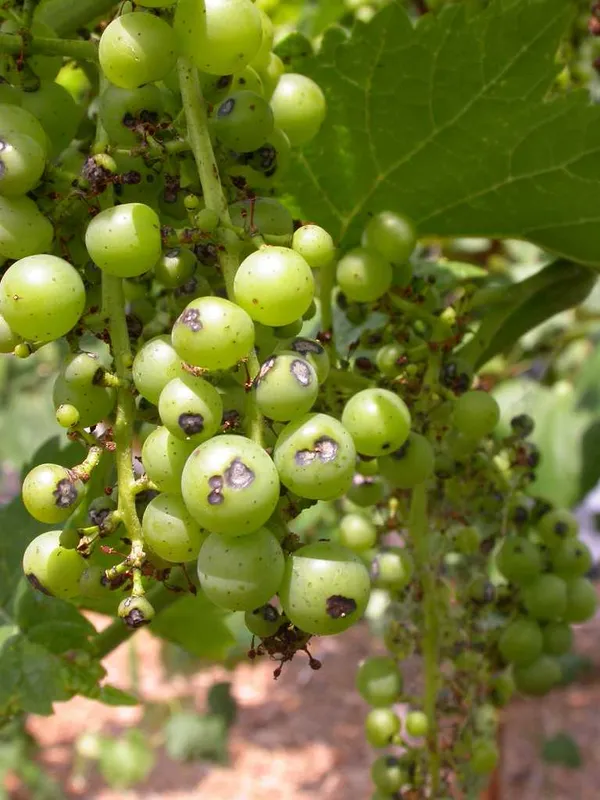
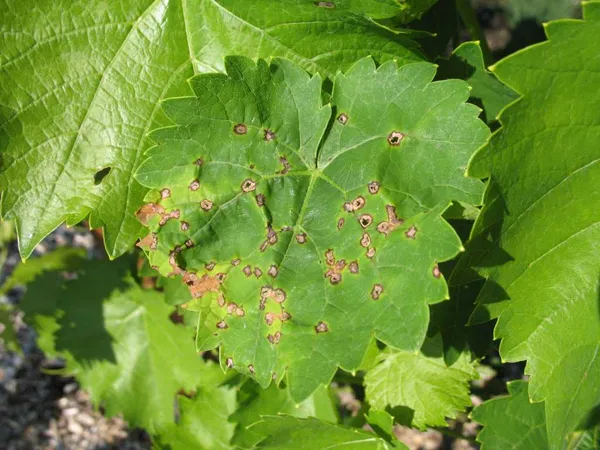
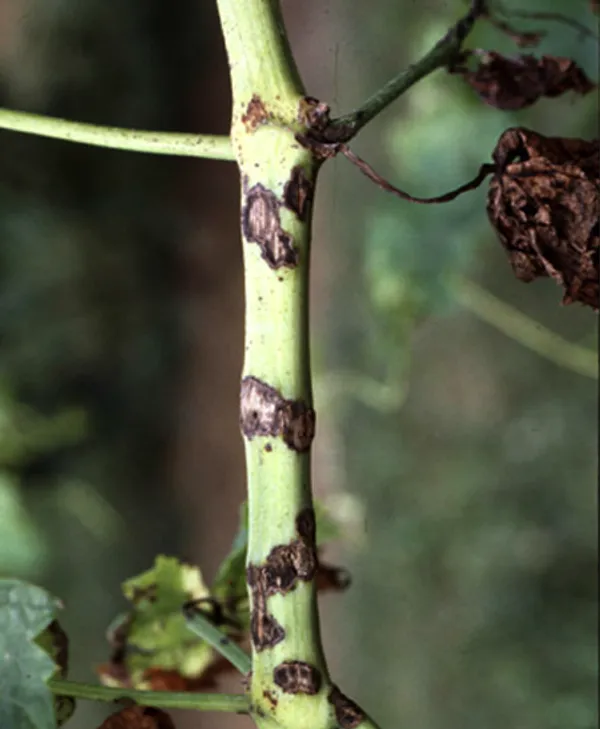
Anthracnose
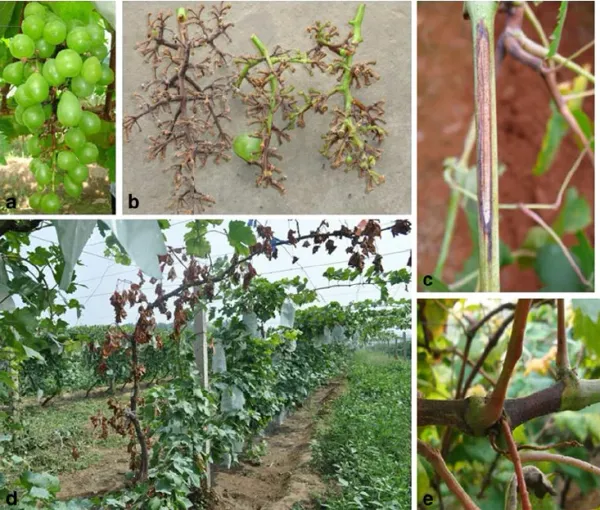
Sunken spots with dark margins on shoots and berries — the classic "bird's-eye rot".
11 problems can affect the shoots & canes of your grapevine. Filter by type, or open one to compare symptoms and treatments.
Sunken spots with dark margins on shoots and berries — the classic "bird's-eye rot".
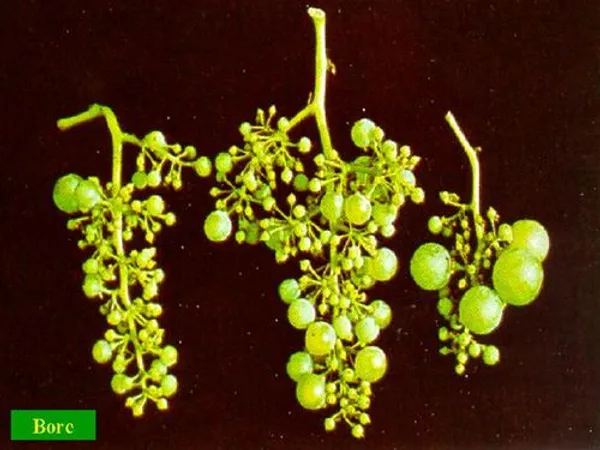
Poor fruit set with "hen and chicks" clusters and dying shoot tips — common on dry, sandy soils.
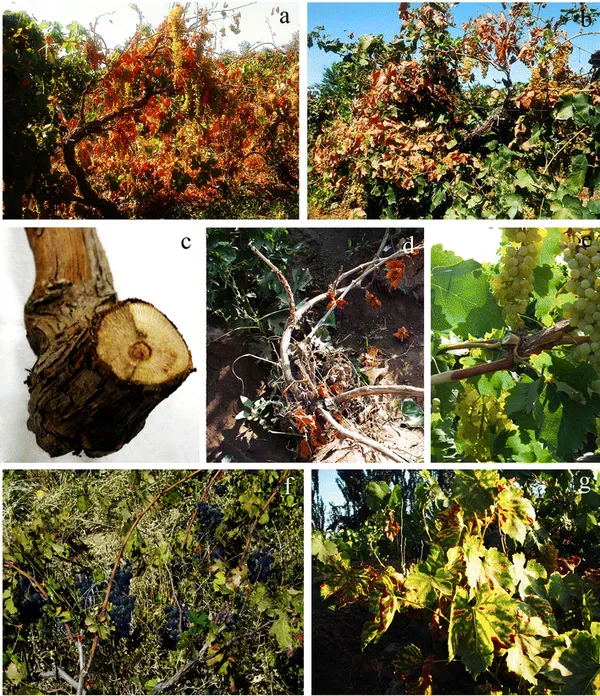
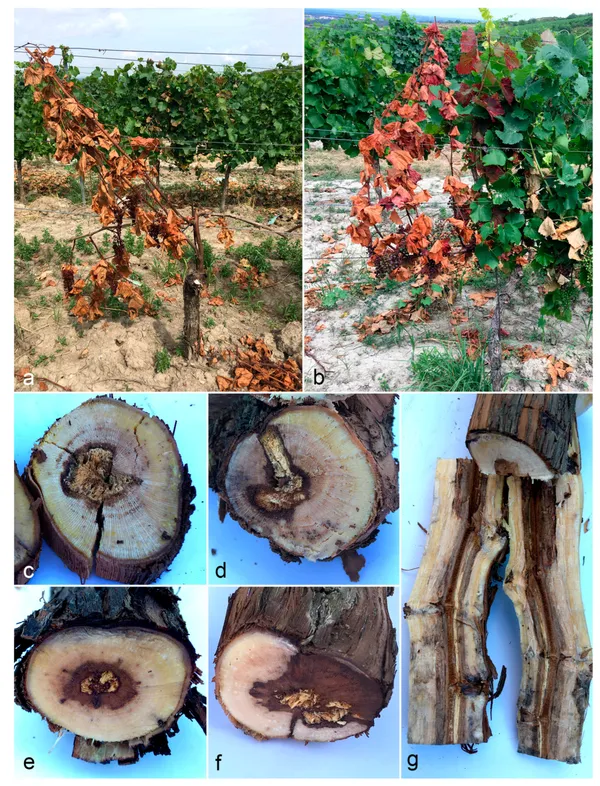
A trunk-disease complex that cankers cordons and kills spurs, closely mimicking Eutypa.
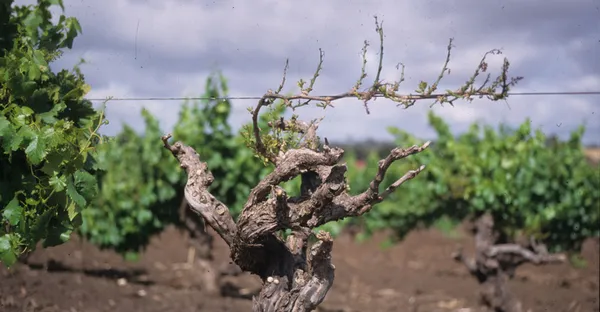
A slow trunk disease ("dead arm") that stunts spring shoots and kills cordons one arm at a time.
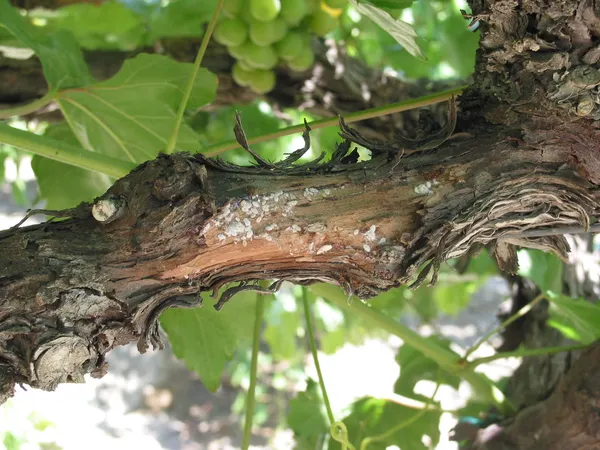
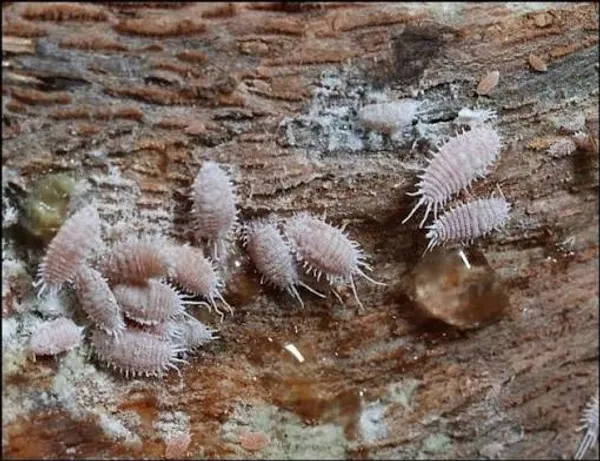
Soft, waxy sap-suckers that foul clusters with honeydew — and spread leafroll virus.
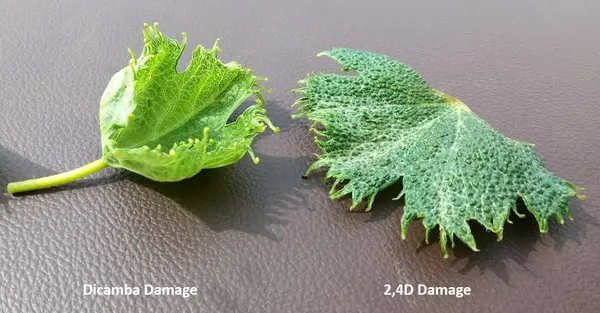
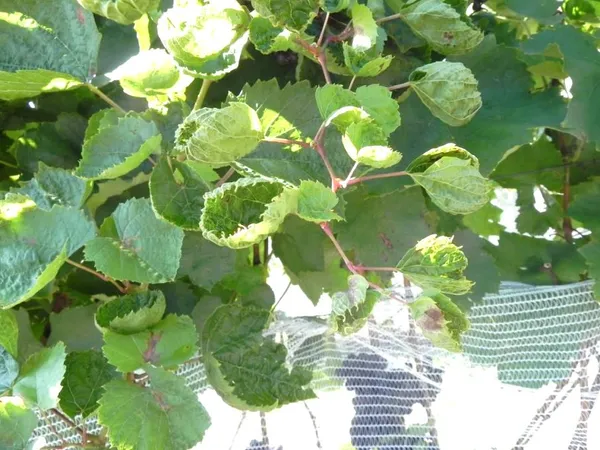
Distorted, cupped, fan-shaped new growth from weed-killer that drifted onto the vine — not a disease at all.
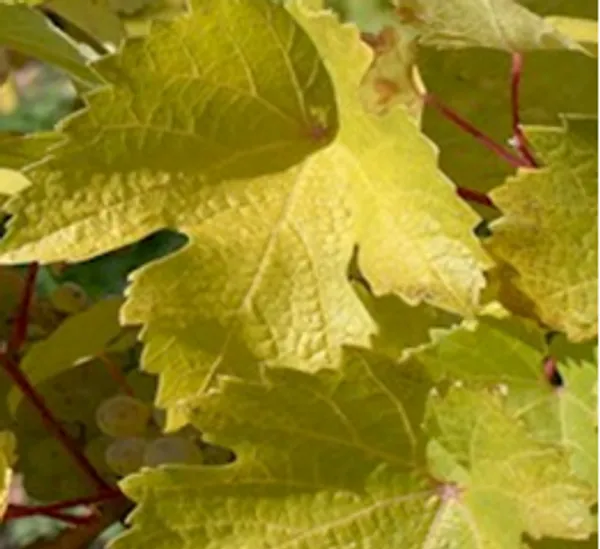
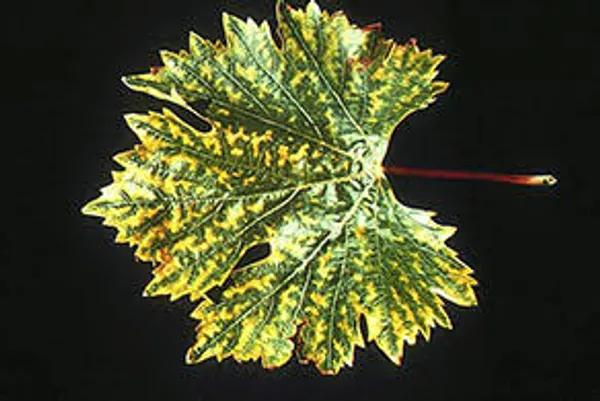
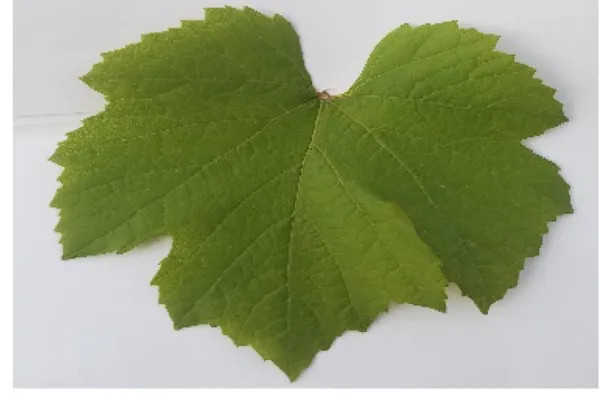
Uniformly pale, small leaves and weak growth from too little nitrogen — the vine simply lacks vigour.
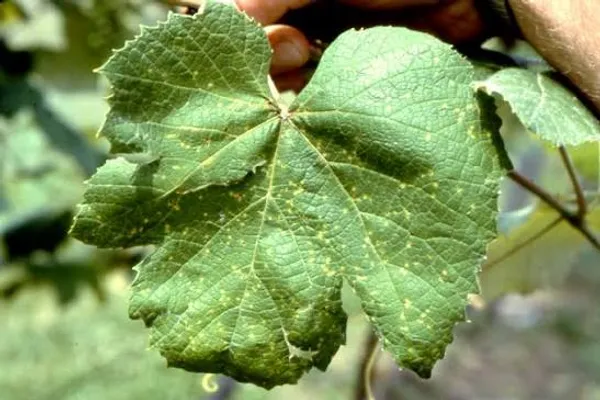
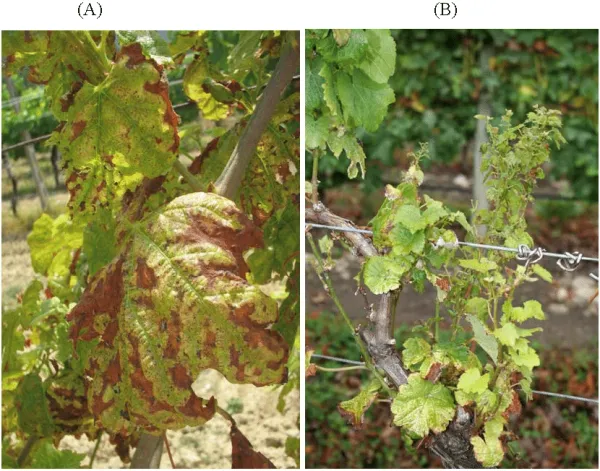
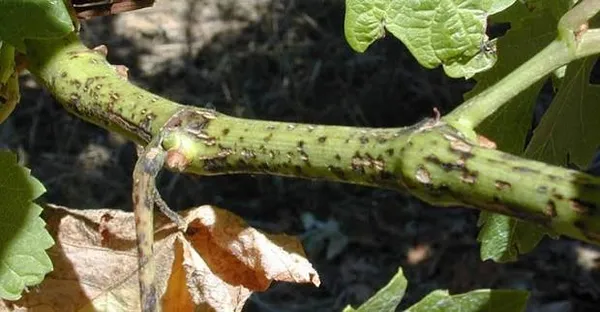
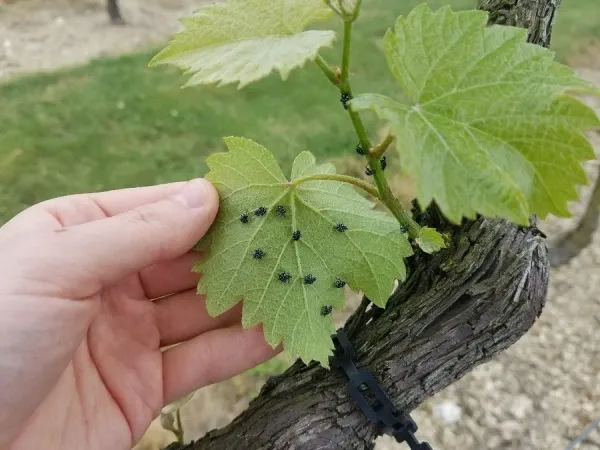
Black specks and cracked bark on the base of shoots, plus small spots on lower leaves.
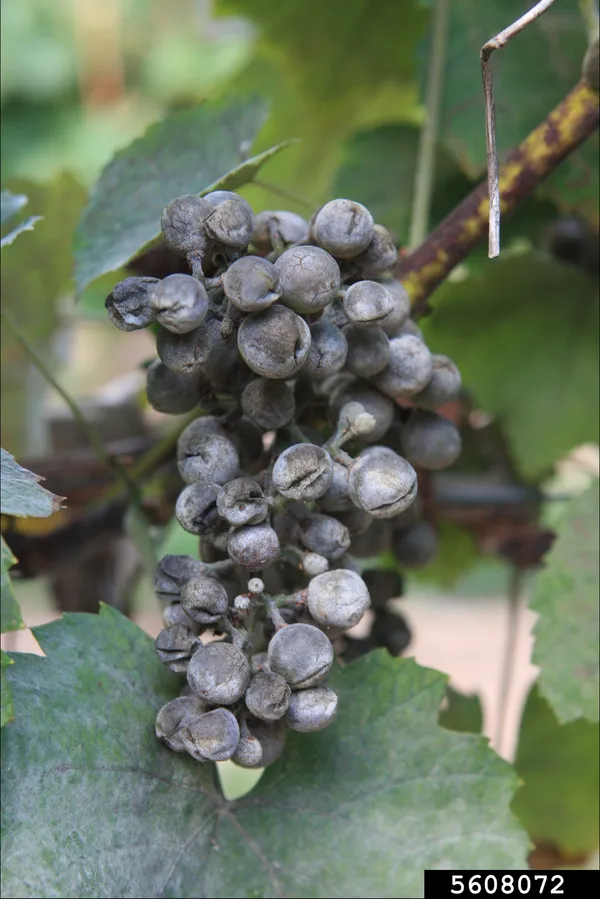
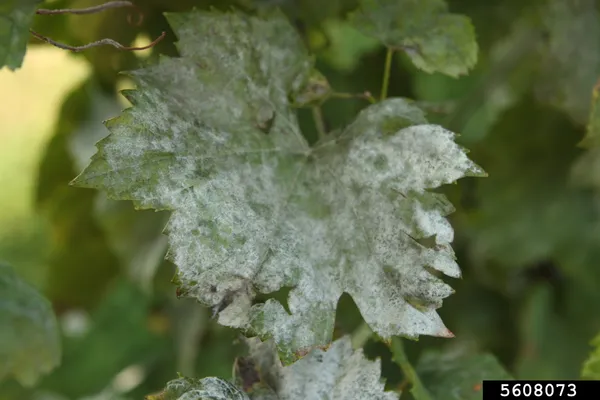
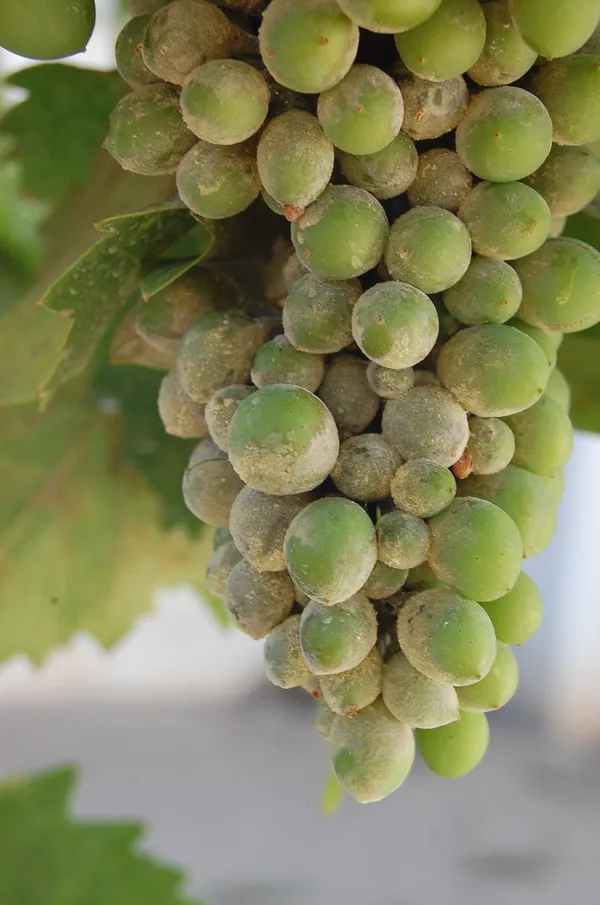
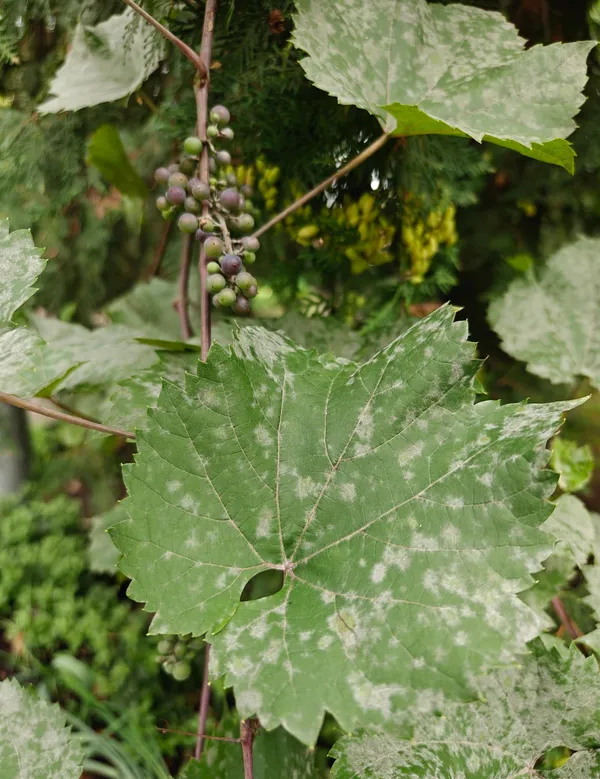
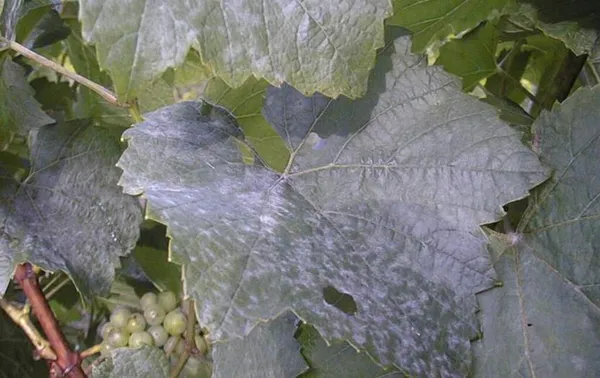
A dusty white-grey coating on leaves and berries — the most common grape fungus almost everywhere.
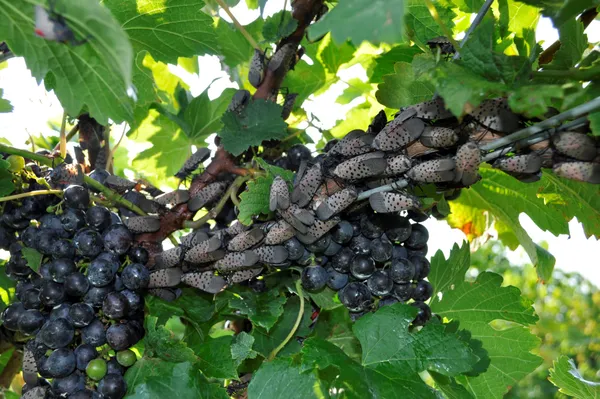
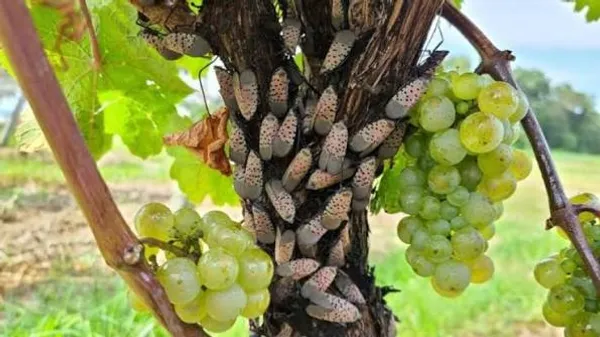
An invasive planthopper that swarms vines, sucking sap and coating them in sticky honeydew and sooty mould.
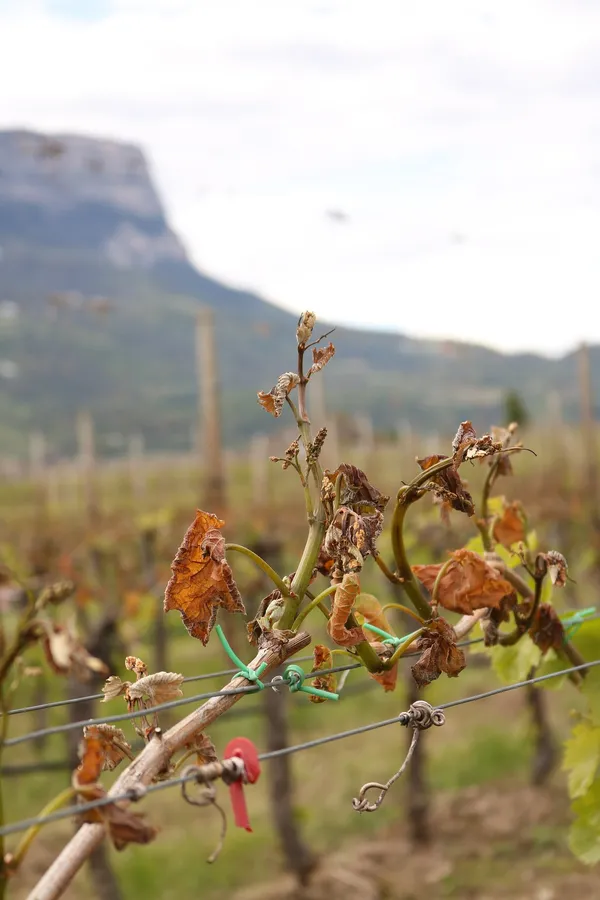
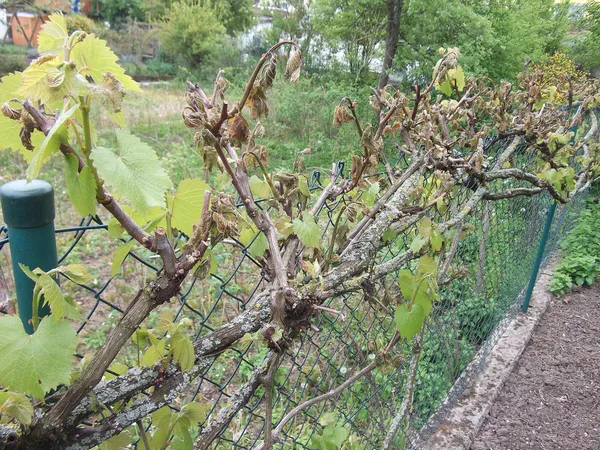
Cold damage that kills buds, splits bark, and kills trunks — a frequent look-alike for trunk disease.
No problems match — try a different search or filter.